
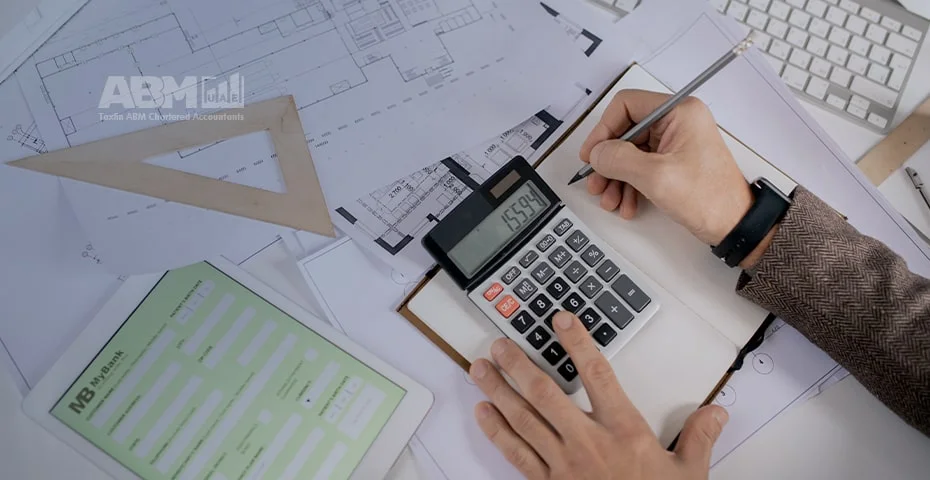
The UAE is witnessing a building boom, with large-scale construction projects transforming the landscape of cities like Dubai, Abu Dhabi, and Sharjah. As a result, construction project accounting has become an essential tool for developers, contractors, and project managers in managing costs, maintaining profitability, and ensuring project success. Proper accounting practices in construction are crucial to avoid cost overruns, ensure transparency, and keep projects on track.
In this article, we will explore the importance of construction project accounting, its key components, and how businesses in the UAE can benefit from working with an experienced UAE accountant to navigate the complexities of construction finance and manage costs effectively.
What is Construction Project Accounting?
Construction project accounting is a specialized form of accounting designed to track the financial aspects of a construction project from start to finish. Unlike traditional accounting, which focuses on the financial health of the overall company, construction accounting is project-based and involves detailed tracking of revenues, expenses, and cash flows specific to individual construction projects.
In the context of the UAE’s construction boom, proper project accounting ensures that every phase of the project—whether residential, commercial, or infrastructure—is financially viable. This accounting system helps businesses allocate resources, track progress, and identify potential financial issues early in the project lifecycle.
Key Components of Construction Project Accounting
The following are key components of construction project accounting that businesses in the UAE must consider to manage costs effectively:
1. Job Costing
Job costing is one of the most critical aspects of construction project accounting. It involves tracking all costs associated with the specific project, including direct and indirect costs. Direct costs include materials, labor, and equipment, while indirect costs involve overheads such as administrative costs, project management fees, and utilities.
Material Costs: Monitoring material costs ensures that the project stays within budget. Construction firms need to track the procurement and consumption of materials to ensure they do not exceed their allocated budgets.
Labor Costs: Labor costs can significantly impact the overall project budget. Proper tracking of labor hours, wages, and overtime is necessary to ensure costs are managed efficiently.
Equipment Costs: This includes the rental, depreciation, or purchase of machinery used on the construction site. Monitoring these costs can help determine whether renting or buying equipment is the most cost-effective option.
UAE Accountant Tip: A UAE accountant can help you implement effective job costing practices to ensure all expenses are accurately recorded and reported. This will allow you to stay within budget while identifying areas for cost savings.
2. Budgeting and Financial Forecasting
Accurate budgeting and financial forecasting are essential in managing construction project costs. A well-constructed budget helps determine how much a project will cost at each stage, ensuring there is sufficient funding throughout the project lifecycle.
Initial Budgeting: Before the construction project begins, it’s crucial to establish an initial budget that covers all expected expenses, including contingencies. A solid initial budget serves as a benchmark for future financial decisions.
Ongoing Forecasting: Throughout the construction process, it’s essential to update the budget regularly based on actual spending. Ongoing financial forecasting helps track any deviations from the original budget and allows you to make adjustments in real-time.
UAE Accountant Tip: Working with an experienced UAE accountant can help ensure that your budgets and forecasts are realistic and take into account factors such as inflation, currency fluctuations, and regulatory changes in the UAE.
3. Cash Flow Management
Cash flow is the lifeblood of any construction project. Managing cash flow involves ensuring that enough money is available to cover ongoing project costs while avoiding delays or stoppages due to financial constraints. Cash flow management includes monitoring payment schedules, invoices, and ensuring that payments from clients and other stakeholders are received on time.
Progress Payments: Construction projects often operate on a milestone-based payment schedule, with payments made at various stages of the project. Tracking these payments and ensuring they align with work completed is essential to maintain a steady cash flow.
Subcontractor Payments: Managing payments to subcontractors and vendors is also critical. Late payments can lead to project delays or disputes, which can incur additional costs.
UAE Accountant Tip: A UAE accountant can assist in creating a clear cash flow plan, ensuring timely payments to all stakeholders, and helping you avoid cash shortages.
4. Revenue Recognition
In construction accounting, revenue recognition is the process of recognizing revenue in a manner that reflects the progress of the project. In the UAE, construction firms must follow the relevant International Financial Reporting Standards (IFRS) or local accounting rules for revenue recognition.
Percentage of Completion Method: Under this method, revenue is recognized based on the percentage of the project that has been completed. This is commonly used in long-term construction projects and ensures that revenue is recognized proportionately as the work progresses.
Completed Contract Method: This method recognizes revenue only when the project is completed. It is generally used for smaller projects where the completion timeline is shorter and more predictable.
UAE Accountant Tip: Consulting with an experienced UAE accountant can ensure that you are using the appropriate revenue recognition method for your project, helping maintain compliance with financial regulations and standards.
5. Taxation and Regulatory Compliance
The construction industry in the UAE is subject to various taxes and regulatory requirements, including VAT, customs duties, and other local taxes. Proper accounting practices ensure compliance with tax regulations and help avoid costly fines.
VAT Compliance: Since the introduction of VAT in the UAE, construction businesses must ensure that VAT is accurately applied to all invoices, purchases, and services related to the project.
Withholding Taxes: Construction companies working with foreign contractors may also need to comply with withholding tax requirements, depending on the terms of their contracts and the UAE’s tax treaties.
UAE Accountant Tip: Working with a UAE accountant ensures that your construction business complies with all local tax laws and avoids costly penalties related to non-compliance.
6. Contractor and Subcontractor Management
Managing contractors and subcontractors is a significant part of any construction project. Proper documentation of contracts, agreements, payments, and work completed is essential for managing costs effectively.
Contractual Terms: Construction companies need to establish clear contractual terms with all subcontractors to avoid disputes and cost overruns.
Subcontractor Billing: Managing subcontractor billing and ensuring that invoices are accurate and timely can help keep costs under control.
UAE Accountant Tip: An accountant in the UAE can assist in reviewing contracts and ensuring that all subcontractor billing aligns with the project budget, reducing the risk of unexpected costs.
Benefits of Construction Project Accounting in the UAE
The construction sector in the UAE is booming, with large-scale developments in residential, commercial, and infrastructure projects. Proper project accounting offers numerous benefits:
1. Cost Control
Effective construction project accounting ensures that costs are controlled at every stage of the project. By tracking expenses, monitoring budgets, and forecasting cash flow, businesses can avoid overspending and keep projects within financial limits.
2. Improved Decision-Making
Accurate financial data enables project managers and business owners to make informed decisions about the project’s direction, resource allocation, and future planning. This ensures that the project stays on track and achieves its financial goals.
3. Increased Profitability
By managing costs effectively and identifying areas for savings, construction firms can increase profitability. Proper accounting practices help optimize resource use and ensure that all potential income sources are maximized.
4. Transparency for Stakeholders
Accurate project accounting ensures transparency for all stakeholders, including clients, investors, and regulators. This builds trust and helps maintain long-term relationships with partners.
5. Audit Preparedness
Proper accounting ensures that construction projects are prepared for audits, whether by government bodies or private investors. Accurate records, receipts, and documentation make the auditing process smoother and less time-consuming.
Conclusion
Construction project accounting is crucial for managing costs, ensuring compliance, and maintaining profitability in the fast-paced UAE construction market. By implementing effective accounting practices such as job costing, budgeting, and cash flow management, construction businesses can avoid financial mismanagement and ensure their projects are completed successfully.
Partnering with an experienced UAE accountant can help streamline construction project accounting and ensure that all financial aspects of your project are properly tracked, reported, and compliant with local regulations. At Taxfin ABM Chartered Accountants, we offer specialized accounting services tailored to the needs of construction businesses in the UAE. Contact us today to discuss how we can assist in managing your construction project finances effectively.
Frequently Asked Questions (FAQs)
1. What is construction project accounting, and why is it important in the UAE?
Construction project accounting involves tracking the financial aspects of a construction project, including costs, revenues, budgets, and cash flow. In the UAE, where the construction sector is booming, accurate accounting ensures that projects stay within budget, comply with tax regulations, and are financially sustainable. It helps businesses avoid cost overruns and delays while ensuring transparency with stakeholders.
2. How can a UAE accountant help manage construction project costs?
A UAE accountant can help manage construction project costs by providing expert financial advice, tracking expenses, creating budgets, forecasting cash flow, and ensuring compliance with tax laws like VAT. They can also assist in implementing job costing systems, managing contracts with subcontractors, and ensuring accurate financial reporting to prevent cost overruns and delays in project completion.
3. What are the key accounting practices in construction project accounting?
Key accounting practices include job costing (tracking direct and indirect costs), budgeting (estimating and monitoring project costs), cash flow management (ensuring sufficient funds are available), revenue recognition (using methods like the percentage of completion), and ensuring tax compliance (especially VAT and withholding taxes). These practices ensure that construction projects are financially controlled and compliant with UAE laws.